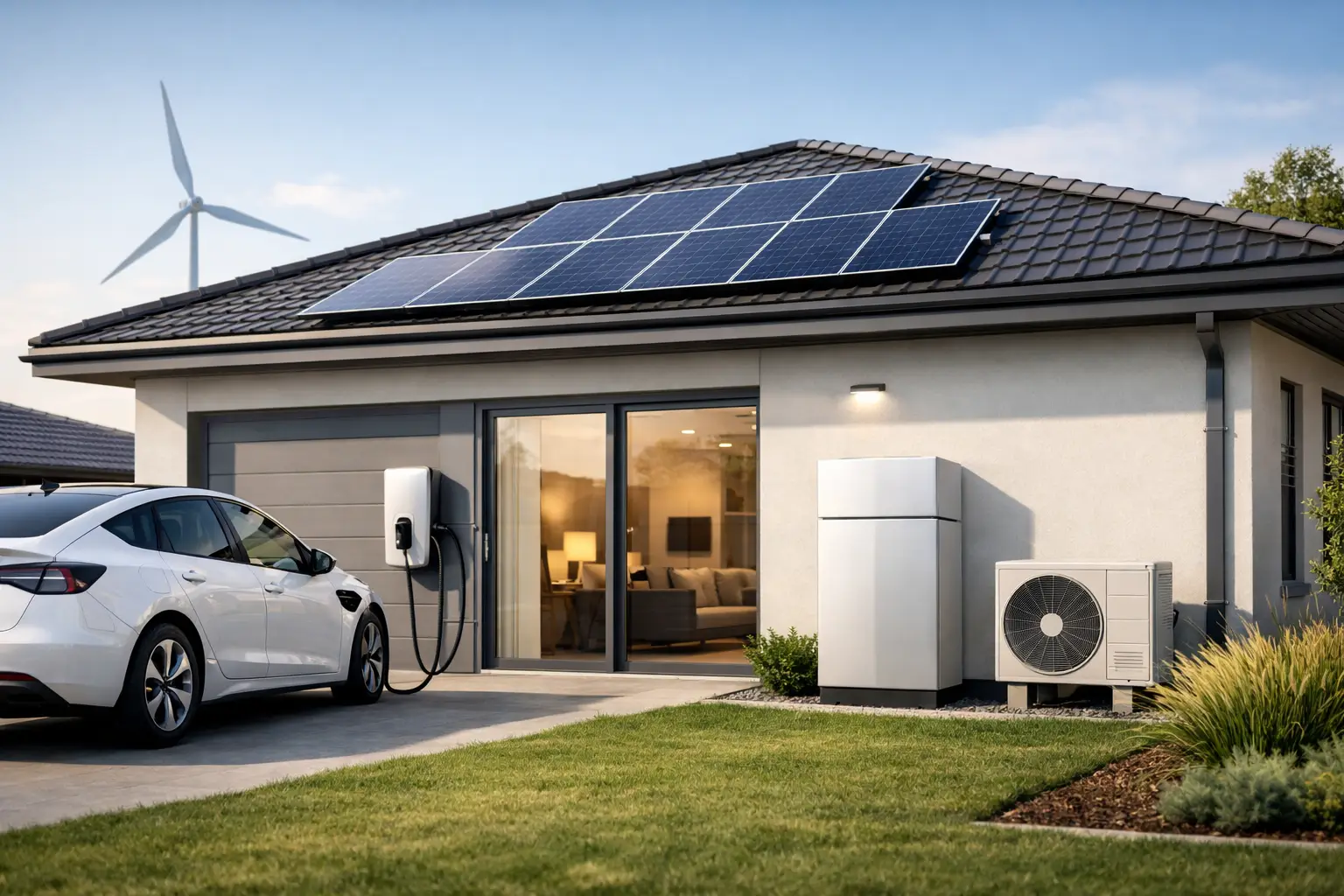
A rising power bill is rarely caused by one appliance alone. It is usually the result of several systems working inefficiently: ageing lighting, electric hot water, poorly controlled heating and cooling, standby loads, or an electrical layout that no longer suits how the household lives. When people ask, “what is home energy solutions?”, they are generally asking how those parts can work together to use less energy, reduce running costs and improve day-to-day comfort.
Home energy solutions are not a single product or a one-size-fits-all package. They are a planned combination of electrical upgrades, energy generation, storage and controls suited to a particular home. The right approach for a compact Melbourne townhouse will differ from the right approach for a larger family home, an all-electric renovation or a property with high daytime energy use.
What is home energy solutions?
Home energy solutions refers to the measures used to manage how a home produces, uses, stores and monitors electricity. It can include efficient lighting and appliances, switchboard improvements, solar power, battery storage, electric vehicle charging, smart controls and energy monitoring.
The aim is practical: use electricity when it is most cost-effective, avoid unnecessary consumption, and ensure the home’s electrical system can safely support modern loads. For many Victorian households, this also means reducing reliance on gas over time, where an all-electric setup makes financial and practical sense.
A good energy plan starts with the home, not the equipment catalogue. Installing a battery before understanding your usage pattern, for example, may not deliver the value you expect. Likewise, solar panels can be worthwhile, but their benefit depends on roof orientation, shading, household demand, tariff structure and how much solar energy can be used during the day.
The main parts of a home energy plan
Most projects bring together several improvements rather than relying on one major purchase. The priority should be based on safety, energy use and the household’s future plans.
Efficient electrical upgrades
LED lighting remains one of the simplest improvements in older homes, particularly where halogen downlights or fluorescent fittings are still in service. Modern LED fittings use less power, produce less heat and can provide better task lighting when correctly selected and positioned.
Other electrical upgrades can have a larger effect than homeowners expect. Replacing outdated exhaust fans, fitting timers to external lighting, separating circuits for better control, and installing suitable power outlets where appliances are used can all reduce waste and improve convenience. In a renovation, planning circuits around the actual use of kitchens, studies, garages and outdoor areas avoids costly alterations later.
Switchboard condition also matters. A switchboard does not directly lower consumption, but a modern, compliant board can provide the capacity and protection needed for solar, batteries, induction cooking, heat pumps and electric vehicle chargers. It is often a necessary foundation for an all-electric home.
Solar power and battery storage
Solar photovoltaic systems generate electricity from daylight. Their strongest value usually comes from powering household loads while the sun is available, such as refrigeration, pool equipment, home office equipment, heating or cooling, and scheduled appliance use.
Battery storage retains surplus solar electricity for use later. That can increase solar self-consumption and provide backup capability where the system is designed for it. However, batteries involve a substantial upfront cost, and the payback period varies widely. A household that is empty most weekdays may have more surplus solar available for a battery than a household using most of its power in the evening, but tariff arrangements and system sizing still need careful consideration.
Solar and batteries should be designed around the property’s electrical infrastructure. Roof space, shading, switchboard capacity, cable pathways, inverter location and network requirements all affect what can be installed. Professional assessment helps prevent a system that looks suitable on paper but is awkward, undersized or expensive to alter on site.
Smart controls and energy monitoring
Energy monitoring gives a household visibility over when and where electricity is being used. It can identify large overnight loads, show whether solar generation is being consumed or exported, and reveal the impact of heating, cooling or electric hot water.
Smart controls then allow selected loads to operate at more useful times. A heat-pump hot water system may be programmed to run during high solar generation. Pool pumps can be scheduled for daylight hours. Smart thermostats can maintain comfortable temperatures without running heating or cooling longer than needed.
These controls are most useful when they remain easy to operate. A complex system that no one in the household understands can create frustration rather than savings. The best setup is usually straightforward, with automation for predictable loads and simple manual control when plans change.
Electrification of major appliances
For households moving away from gas, major appliances deserve close attention. Induction cooktops, heat-pump hot water systems and reverse-cycle air conditioning can form the basis of an efficient all-electric home. Their energy performance is often strong, but they can alter the electrical demands of the property significantly.
An induction cooktop may require a dedicated high-capacity circuit. A heat pump needs suitable placement, drainage and electrical supply. Air conditioning needs correct sizing for the room and building fabric, rather than simply choosing the largest unit available. These are electrical and building decisions as much as appliance decisions.
Start with energy use, then plan the upgrades
Before committing to a major installation, review at least 12 months of electricity bills where available. Look at total consumption, seasonal changes, controlled-load arrangements and the times when the household uses the most power. If bills are difficult to interpret, energy monitoring can provide a clearer picture over several weeks.
It also helps to consider what will change in the next few years. A family planning to buy an electric vehicle, replace a gas cooktop, add a pool or renovate the kitchen should account for those future loads now. Allowing for spare switchboard capacity and cable pathways during current work is generally more efficient than reopening walls later.
There is no universal order, but a sensible sequence often begins with reducing waste and improving electrical safety. After that, consider high-use appliances, solar generation, storage and controls. The final order depends on budget, the age of the home, available rebates or incentives, and whether the property needs urgent electrical work first.
Safety and compliance are part of the solution
Energy upgrades involve more than selecting efficient equipment. Solar connections, switchboard alterations, new circuits, battery systems and EV chargers must be installed and tested correctly. In Victoria, prescribed electrical work must be carried out by a licensed electrical contractor, with the appropriate certification provided when required.
This is particularly important in homes with old wiring, ceramic fuses, limited switchboard space or previous unverified alterations. Adding major electrical loads to an unsuitable installation can create nuisance tripping, poor performance and safety risks. An inspection can identify whether upgrades are needed before new equipment is connected.
For solar and battery work, homeowners should also confirm that the proposed equipment, location and installation method suit the site. Battery placement, ventilation, clearances and access are not afterthoughts. They are central to a safe installation.
Choosing solutions that suit your home
The most effective home energy solution is usually the one that addresses a clear problem. If lighting is outdated and the home has excessive evening usage, efficient lighting and better controls may be the immediate priority. If the household has strong daytime demand and a suitable roof, solar may be a logical next step. If future electrification is planned, switchboard and circuit upgrades may need to come first.
Avoid treating energy improvements as a race to install the most technology. A well-sized solar system, sensible appliance choices and an electrical installation designed for future loads can be more valuable than a collection of poorly matched devices.
For Melbourne homeowners, the practical next step is to arrange a qualified electrical assessment that considers the existing installation, household usage and future plans. A clear plan gives each upgrade a purpose and helps the home become more efficient without compromising safety, comfort or flexibility.