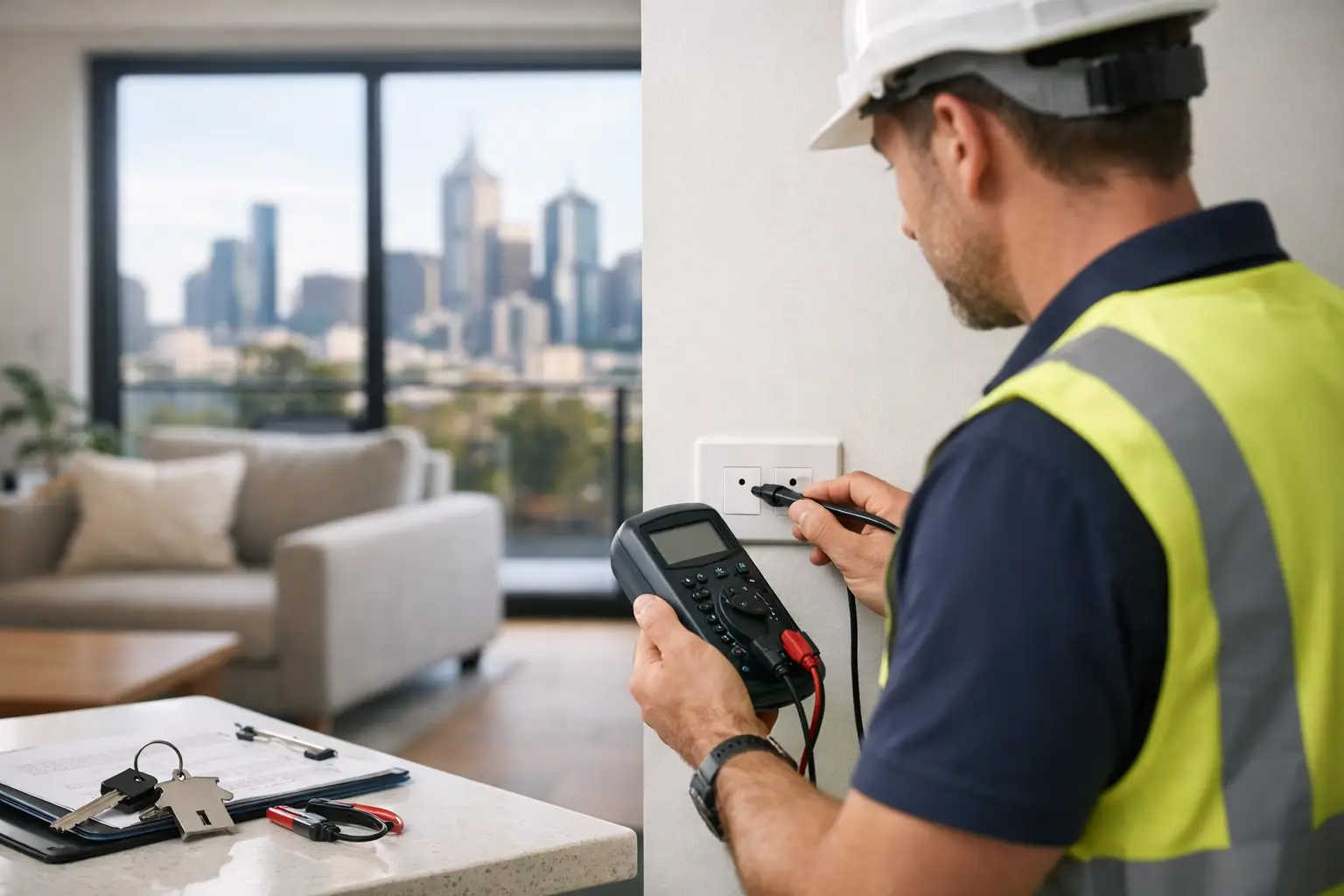
A rental property can look well maintained and still have electrical issues behind a switch plate, in a ceiling space or at the switchboard. For Melbourne rental providers and property managers, a rental electrical safety inspection Melbourne service is a practical way to meet Victorian obligations while identifying defects before they create a risk for tenants, owners or the property itself.
Electrical safety checks are not simply a box-ticking exercise. They provide a record of the condition of the installation at a point in time and help ensure essential electrical components are operating as intended. For older homes, recently purchased investment properties and rentals that have had frequent tenant turnover, the check can be particularly valuable.
What Victorian rental providers need to know
Under Victoria's rental minimum standards, rental providers must arrange an electrical safety check every two years. The check must be completed by a licensed electrician, and the rental provider must keep a record of it. Renters can request the date of the most recent check and the outcome, so organised documentation matters as much as arranging the work itself.
This requirement applies to the property's electrical installation, not just to portable appliances supplied with the tenancy. It is designed to identify faults or deterioration that could lead to electric shock, fire or failure of key safety devices.
The timing can sometimes create confusion. A property may have had electrical work completed recently, but that does not automatically replace the requirement for a scheduled rental safety check. Likewise, a condition report prepared at the start of a tenancy is useful, but it is not an electrical inspection. If there is uncertainty about when a check is due, review the existing electrical safety check record and confirm the date with a licensed electrician.
What a rental electrical safety inspection in Melbourne covers
The scope should focus on the fixed electrical installation and safety-related components within the property. A qualified electrician will assess the condition of accessible equipment, test relevant devices and look for visible signs of damage, ageing or non-compliant work.
A typical inspection may include the switchboard, safety switches, circuit breakers, earthing arrangements, accessible wiring, power points, switches, light fittings and hard-wired appliances or connections where applicable. The electrician may also check for issues such as damaged outlets, loose fittings, exposed conductors, overloaded circuits or unsuitable equipment in wet areas.
Safety switches, also called residual current devices or RCDs, require particular attention. These devices are intended to disconnect power quickly when they detect an electrical fault that may cause electric shock. A safety switch with a test button is not necessarily proof that it is correctly protecting all required circuits. Proper testing by a licensed electrician helps establish whether the device is operating within the required parameters.
The inspection is limited by access and the condition of the property on the day. Electricians cannot see wiring concealed inside every wall or beneath every floor without invasive work. However, test results, visual checks and professional judgement can identify warning signs that warrant repairs or further investigation.
Why older Melbourne rentals need a closer look
Melbourne has a broad mix of rental housing, from period weatherboard homes and brick units to new apartments and recently renovated townhouses. Electrical systems can vary just as widely. An older property may have circuits that have been extended over decades, outdated switchboard equipment or previous alterations that need review. A newer property may have more circuits, appliance loads and smart equipment, which makes accurate labelling and protection equally important.
Renovations can also introduce risk when electrical changes have not been completed or documented correctly. Kitchen upgrades, split-system installations, outdoor entertaining areas and new lighting all place demands on the installation. If work was undertaken before the current owner acquired the property, an inspection gives a clearer view of what is in place.
Tenants should not be expected to diagnose electrical defects. Repeated tripping, tingling from taps or appliances, hot power points, burn marks, flickering lights and a persistent burning smell all require prompt attention. These issues should be treated as repair matters rather than left until the next scheduled inspection.
Preparing the property for the check
A well-organised visit helps the electrician complete the inspection efficiently and reduces the chance that a return visit is required. Property managers should arrange access with the renter in line with the required notice procedures and advise them that power may need to be interrupted briefly for testing.
The switchboard should be accessible, along with power points, light switches and electrical equipment that forms part of the rental property. Stored items should be moved away from the switchboard and any known faults should be passed on before the appointment. Details such as a safety switch that trips during rain, a light that repeatedly fails or an outlet that has stopped working can help direct the inspection.
If the property has a detached garage, shed, granny flat or external power supply, make sure access is available there as well. These areas are commonly overlooked, particularly when they are not used by the tenant every day.
What happens if defects are found
Not every issue identified during a safety inspection has the same urgency. Minor maintenance, such as replacing a damaged cover plate or improving circuit labels, may be straightforward to schedule. A serious defect, including exposed live parts, ineffective earthing or a failed safety switch, needs immediate action to make the installation safe.
The electrician should explain the findings clearly and provide a written record of the check. Where repairs are recommended, the report should help the owner or agent understand what was found, why it matters and the work required. For electrical installation work, the appropriate compliance documentation should be issued where required.
There is a practical trade-off to consider. Deferring non-urgent upgrades may appear to reduce short-term costs, but repeated call-outs and tenant disruption can quickly outweigh that saving. On the other hand, not every older component needs replacing simply because it is old. The correct approach depends on its condition, test results, safety performance and suitability for the property.
Choosing the right electrician
For rental work, choose a properly licensed electrician who understands Victorian rental requirements and can provide clear records for your file. Reliability matters, but so does communication. A useful service includes a defined scope, timely attendance, plain-language findings and documentation that is easy for an owner, agent or facility manager to retrieve later.
For portfolios with multiple properties, consistency is helpful. Maintaining a simple register of inspection dates, reports, completed repairs and upcoming due dates can prevent missed obligations. It also gives property managers a cleaner handover when ownership, management arrangements or tenancies change.
iElectrify supports Melbourne property owners and managers with electrical inspection, maintenance and repair work across residential, commercial and industrial settings. For rental properties, the focus should always be safe installations, clear reporting and practical follow-up where work is needed.
Common questions about rental electrical checks
Does a renter need to be home?
Not necessarily, provided lawful access has been arranged. In practice, coordinating a suitable time with the renter is often the smoothest option, especially if the electrician needs access to every room, the garage or outdoor areas.
Is testing portable appliances part of the inspection?
It depends on who owns the appliances and the service scope. The required rental electrical safety check concerns the fixed electrical installation. Portable appliance testing may be useful for landlord-supplied items, but it is a separate service and should be confirmed before booking.
What if the property has solar power?
Solar systems, batteries and electric vehicle charging equipment introduce additional components that may require specialist attention. Tell the electrician about these systems when arranging the inspection so the right scope and qualified support can be provided.
Can an owner use an old report?
A previous report is useful for history, but it does not remove the need to complete checks at the required interval. Keep earlier documents with the current record, particularly where previous defects or upgrades are relevant.
A rental electrical safety check works best when it is treated as part of planned property maintenance, not an urgent task triggered by a deadline. Keeping accurate records, acting on defects and booking ahead gives owners, agents and renters greater confidence that the property is safe to occupy.